
"I get a deep sense of satisfaction from seeing things grow around me. Whether it’s houseplants in my office, vegetables in the garden or trees in a new woodland, there is just something that feels positive and right about it."
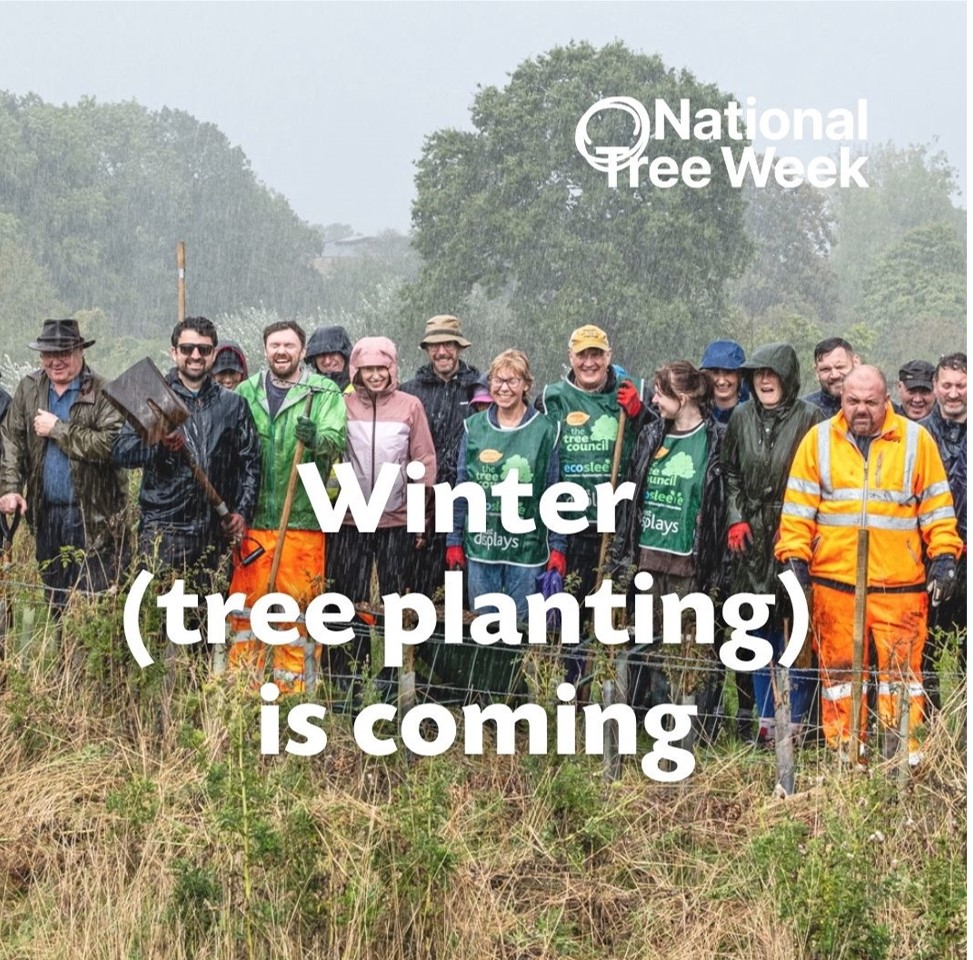
National Tree Week (21 – 29 November) marks the start of tree planting season and celebrates trees and the people who plant and care for them.
The Woodland Carbon Code is the UK’s government-backed standard for creating new woodlands that generate high-integrity carbon credits. The code provides independently verified carbon units, helping landowners generate income while enabling organisations to compensate for their unavoidable emissions.
To celebrate National Tree Week, Alexander MacKinnon, Carbon Project Manager at CarbonStore, explains the key steps involved in developing, registering and planting a Woodland Carbon Code project.
How are you involved in creating Woodland Carbon Code projects?
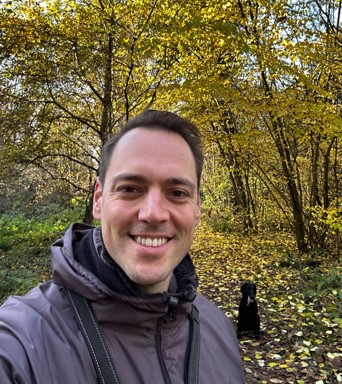 CarbonStore works with companies and landowners to design, plant and manage new woodlands.
CarbonStore is part of Tilhill Forestry and acts on all the company’s Woodland Carbon Code projects, from assessing if they are suitable for the code to designing them so that they are.
We then lean on our colleagues in forest management to help get the trees in the ground. In my previous role, I worked directly with contractors to get trees planted and managed.
Why does tree planting take place during the winter months?
I like to think planting takes place over winter while trees are “asleep”. Come spring, I have the image in my head of them waking up shocked and in a whole new place with plenty of space and nutrients to grow. That’s not too far from reality. We plant over winter while trees are dormant to increase the chances of their survival.
Their needs, like water, light and nutrients, are less while they’re dormant, so they’re more easily transported and planted. Then, in spring, they’re already bedded in and ready to take advantage of their new home.
What needs to happen before a Woodland Carbon Code project is ready for planting?
Before any planting can take place, you need to ensure your project is eligible for the carbon funding. Project developers such as CarbonStore can help landowners with this and the design of the woodland. Once a suitable design is achieved, projects can apply for grant funding and must register with the Woodland Carbon Code before any work starts on site.
What makes a Woodland Carbon Code project different to other woodland creation projects?
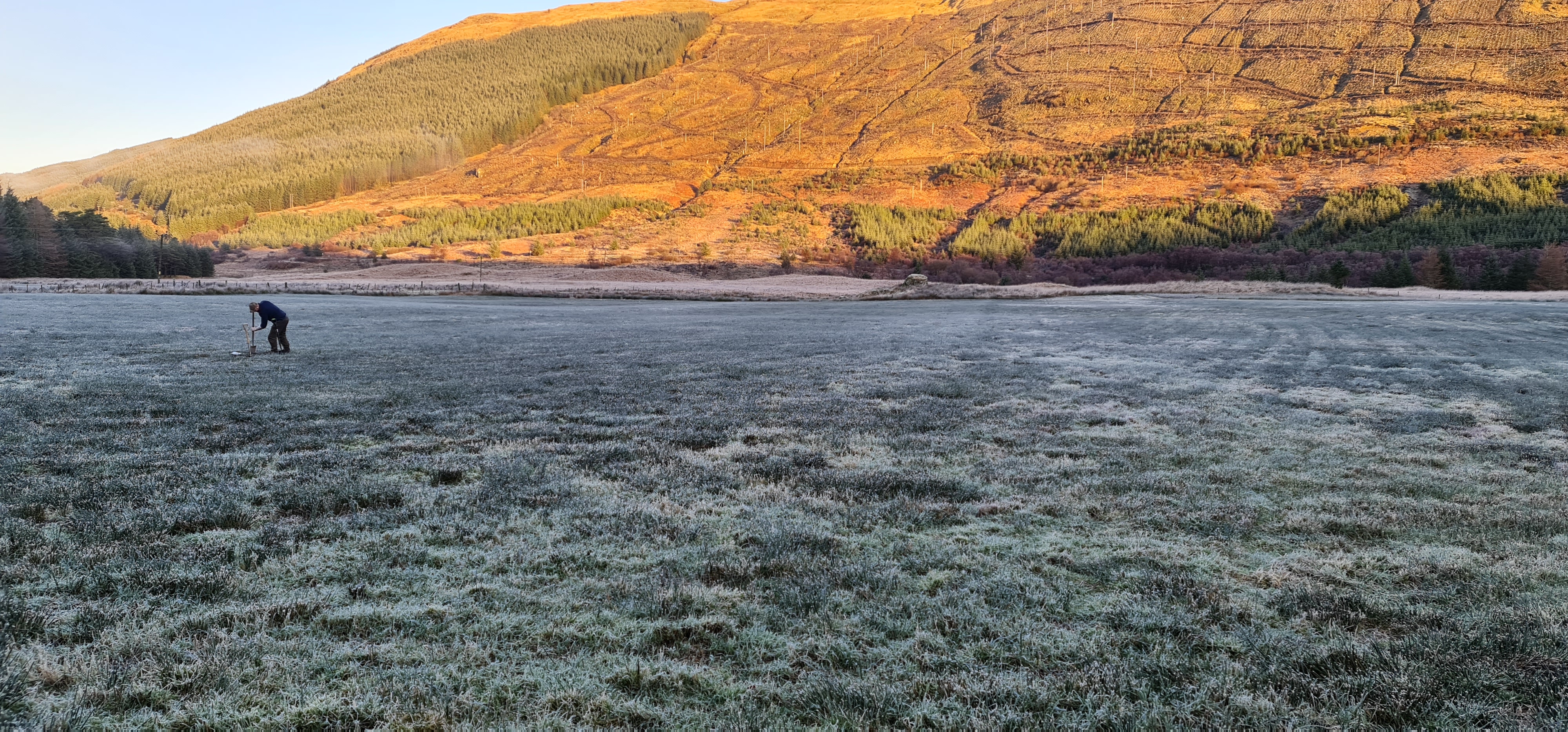
A Woodland Carbon Code project should be led by the desire to plant for carbon. Projects can look similar but the reasons behind them can be very different. There is a higher level of scrutiny on Woodland Carbon Code projects as the extra due diligence seeks to assure buyers of units that the project has been held to the highest level of integrity.
What does registering a Woodland Carbon Code project involve?
Ideally, a project would enter the Woodland Carbon Code process as early as possible. If you’re using a project developer, this gives them time to feed into any designs and advise how carbon can be maximised and any potential challenges avoided. The process might start with the design or, if that already exists, with registration.
Projects must register before work begins on site. Registration involves submitting the Woodland Carbon Code carbon calculator, project map and landowner contact details to the UK Land Carbon Registry for approval.
To create these documents, the woodland creation plan needs to be interrogated, and the relevant details fed into the carbon calculator. The project map needs to be created from accurate shapefiles and designed to meet the code’s mapping guidelines.
How do you decide what mix of species to plant and why?
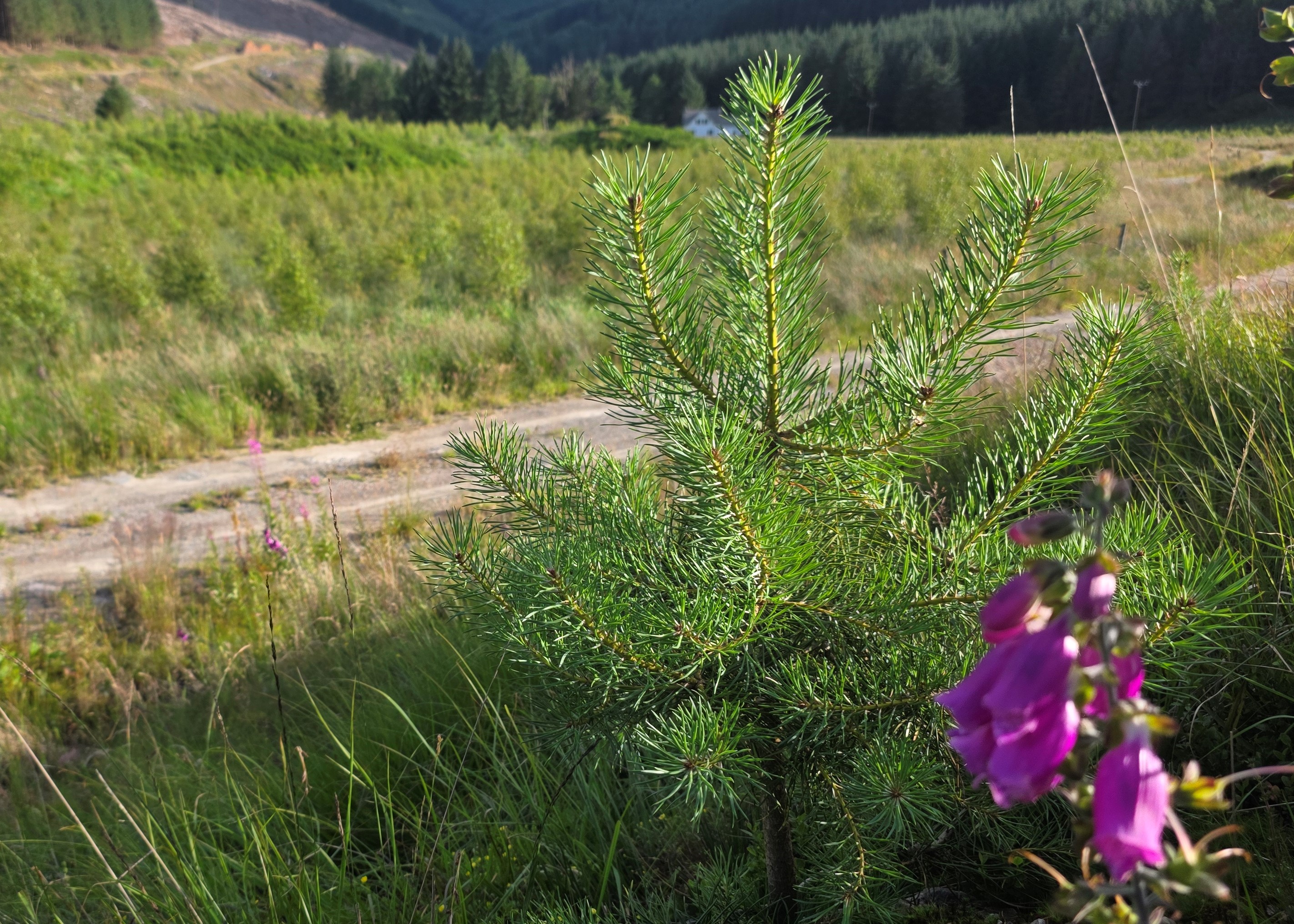
The species are chosen through a delicate balance of the project objectives. These might be to grow commercial timber, to maximise carbon sequestration, to provide for biodiversity or to fit into the landscape and create an attractive woodland.
Some of these objectives (and there are many more) may conflict with each other and some may enhance each other. Finding the balance can only come from clear communication between a qualified silviculturist, the landowner and an experienced project developer.
Where do the young trees come from?
Young trees come from many quality nurseries around the UK that specialise in growing and supplying forest trees. For example, Maelor Forest Nurseries provides many young trees for our projects. These nurseries are highly experienced in growing top-quality trees and getting them safely to site so they have the best possible chance of success.
What does a typical planting day look like?
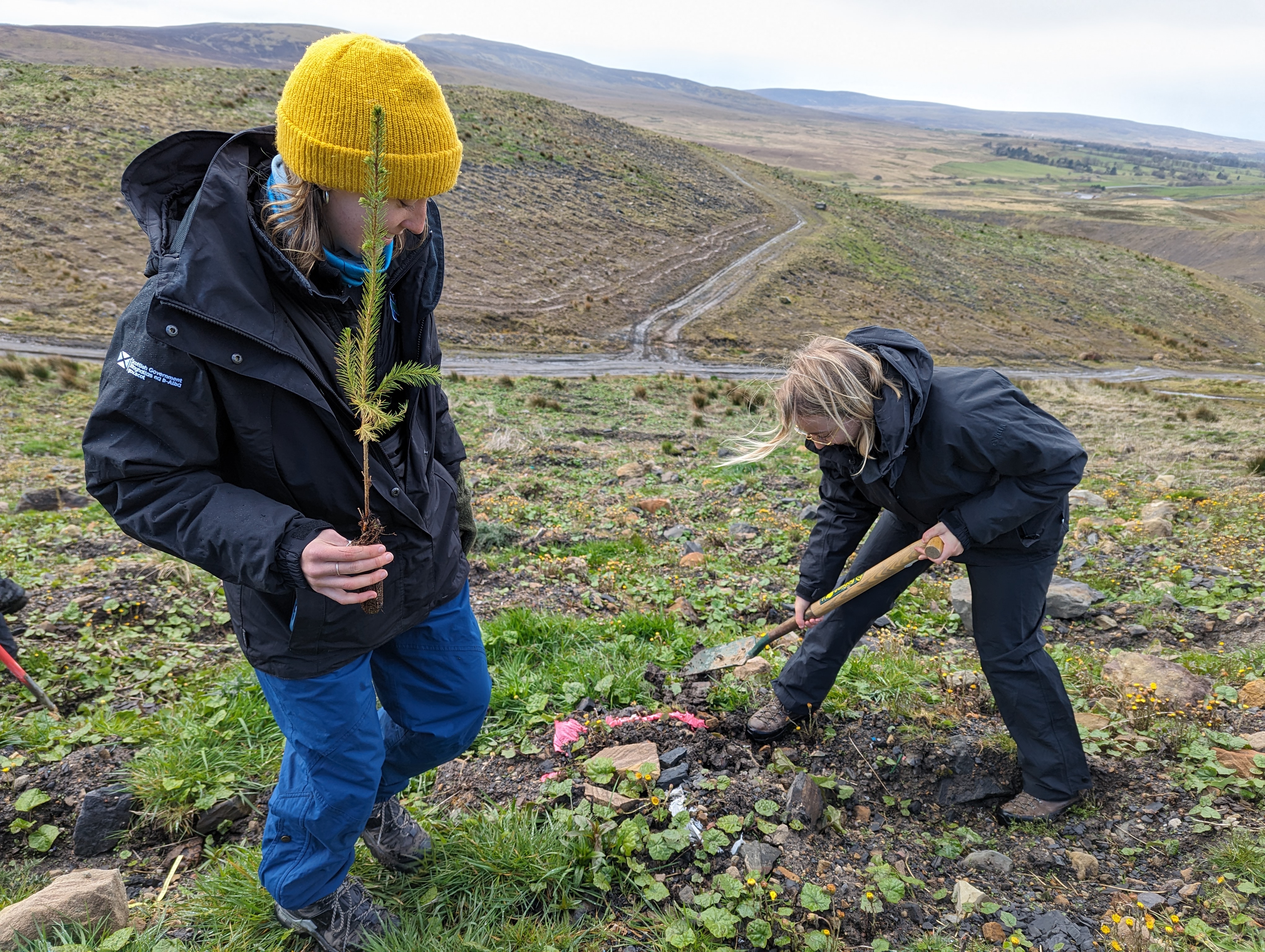
Trees are delivered a few days ahead of planting time, so the planting team have plenty to get on with when they arrive. A forest manager would usually mark out the planting areas, making clear where specific species should be planted and any areas that should not be planted.
On the day, the forest manager starts early to ensure plants are laid out and easily accessible. After a safety briefing, the planting team begins and usually makes surprisingly quick progress!
What are the challenges of establishing a new woodland?
After regulatory hurdles, the climate is one of the most the most challenging aspects of establishing a new woodland. Recently, every summer seems to have had a severe heatwave. Many planting sites are seeing big losses after this summer, and the Forestry Commission has announced specific funding to help struggling sites.
How does it feel when a project reaches planting day?
For me, honestly, it feels nerve wracking. After so much planning and work, there is always a lingering sense of trepidation that something has been missed or will go awry that could throw the planting into chaos.
What do you enjoy about creating new woodland?
I get a deep sense of satisfaction from seeing things grow around me. Whether it’s houseplants in my office, vegetables in the garden or trees in a new woodland, there is just something that feels positive and right about it. That’s probably the most abundant when it is happening on such a masse as in a new woodland, where relatively barren land is turning into something so rich and beneficial to so many.
Once the trees are in the ground, what happens next?
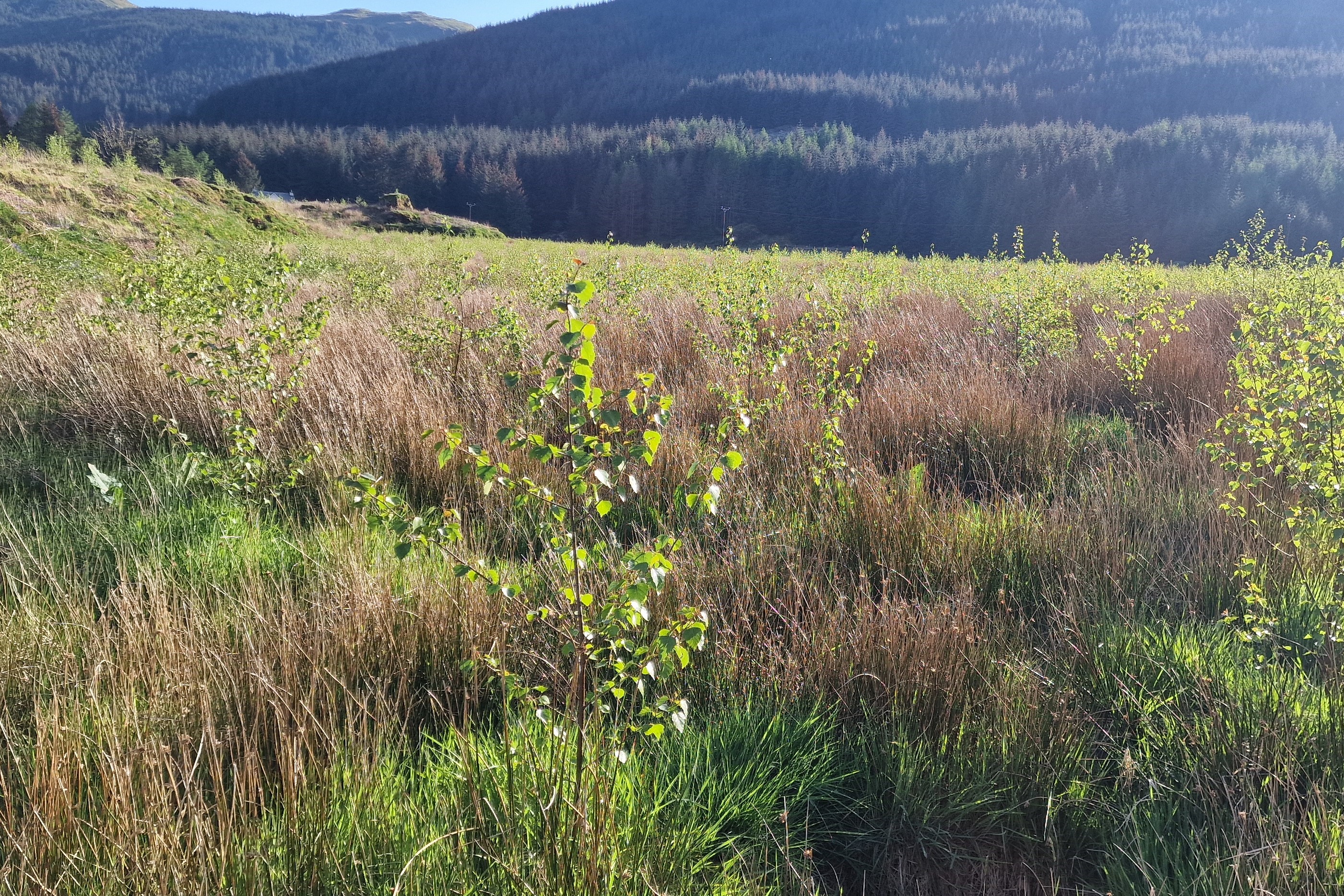
There’s usually a sigh of relief that everything has gone (mostly) to plan. But monitoring for issues such as animal damage, disease and competing weed growth can start immediately. The trees are at their most vulnerable in the early days, so monitoring needs to be taken seriously. Hopefully, if the right species have been chosen and quality planting has taken place, then the trees can quickly get their roots in the ground and start to flourish.
Tell us about a particular Woodland Carbon Code project you were involved in planning and planting?
My favourite project involved arranging carbon funding for a hard-working couple farming beef cattle in Argyll. Profits from farming have been poor so they were planting up 40 hectares of their farm with trees, and I was able to secure carbon funding for the project. CarbonStore then arranged the sale of some of their Pending Issuance Units (a Pending Issuance Unit is a promise to deliver a Woodland Carbon Unit in the future, based on predicted carbon dioxide equivalent removal).
It would have taken three to four years’ work on the farm to generate the income they realised from carbon funding. It was rewarding to help them generate that meaningful and additional source of income.
Does a memorable moment from a planting project stand out?
It had been some years since I visited a small project that I helped plant, and I happened to glimpse some ariel footage (from a paraglider) of the local area online. I wondered if I could spot the exact area I planted and, after just a few seconds of scanning, it dawned on me that the fully fledged woodland, complete with avenue of specimen trees and sweeping rides, was exactly what I was looking at. It’s such a stark contrast from the early days of planting to see the vision you had take shape years later.
Thinking of creating a Woodland Carbon Code project? Make sure you register before any work begins on site. Registration is free and ensures your project is eligible and that the carbon it captures can be verified in the future.
Projects developed under the code help to tackle climate change, support nature and benefit communities.
There’s a step by step guide to creating a project on our website. Happy planting!
Images 2, 3 and 5: Corrachaive Farm, Bryan Pearce.